Frequently Asked Questions
What is a thermostat tip?
A thermostat tip is a practical recommendation for managing your home's temperature settings to improve HVAC efficiency. Adjusting your thermostat by a few degrees when away can significantly reduce energy consumption and lower your monthly utility bills.
What is an AC tip?
An AC tip is a piece of expert advice designed to help homeowners maintain their cooling systems, improve energy efficiency, and identify early signs of repair needs to ensure optimal performance for your Southlake home.
What is an HVAC tip today?
An essential HVAC tip today is to replace your air filters every one to three months. This simple habit improves indoor air quality, boosts system efficiency, and helps prevent costly repairs for homeowners in Southlake, Texas.
What are heating tips?
Heating tips for maintaining an efficient system include regularly replacing air filters, scheduling annual professional inspections, sealing duct leaks, and using a programmable thermostat to optimize energy usage and ensure consistent comfort throughout your Southlake home.
What is a heating tip?
A heating tip is a proactive maintenance practice designed to improve your system's efficiency, such as regularly replacing air filters or scheduling annual professional inspections to ensure your Southlake home stays warm and energy-efficient throughout the winter.
What are thermostat tips?
Thermostat tips for maintaining home comfort include setting your device to energy-efficient temperatures, programming schedules to match your daily routine, and replacing batteries annually to ensure your Ideal In Air system operates reliably throughout the Southlake seasons.
What is a cooling tip?
A cooling tip is a practical maintenance strategy, such as regularly replacing air filters or clearing debris from outdoor units, designed to improve your HVAC system's efficiency, lower energy bills, and ensure consistent comfort in your Southlake home.
What are vent tips?
Vent tips are maintenance practices for your HVAC system’s registers, such as keeping them clean, unblocked by furniture, and properly adjusted to ensure optimal airflow, improved indoor air quality, and maximum energy efficiency throughout your Southlake home.
What are filter tips?
Filter tips are essential HVAC maintenance guidelines focused on selecting, installing, and regularly replacing air filters to ensure optimal system efficiency, improved indoor air quality, and the prevention of costly mechanical repairs in your Southlake home.
What are the best thermostat adjustment tips?
The best thermostat adjustment tips for maintaining an efficient HVAC system include setting your temperature to 78°F when home, utilizing programmable settings to save energy while away, and avoiding drastic manual adjustments that strain your cooling unit.
Which air conditioning tips improve system efficiency?
Air conditioning tips that improve system efficiency include regularly replacing air filters, keeping outdoor units clear of debris, scheduling annual professional maintenance, and utilizing a programmable thermostat to manage cooling cycles effectively for your Southlake home.
What is a helpful HVAC tip for homeowners?
A helpful HVAC tip for homeowners is to replace your air filters every one to three months. This simple maintenance task improves airflow, boosts energy efficiency, and prevents costly repairs for your system in Southlake, Texas.
Are there specific heating tips for winter months?
Specific heating tips for winter months include scheduling professional maintenance, regularly replacing air filters, sealing window drafts, and using a programmable thermostat to optimize energy efficiency and ensure your home stays comfortable throughout the Southlake winter season.
What is a simple heating tip for better comfort?
A simple heating tip for better comfort is to regularly replace your air filters. Clean filters improve airflow and efficiency, ensuring your Southlake home stays warm and cozy while reducing strain on your heating system throughout the winter.
How can thermostat tips lower energy utility bills?
Thermostat tips lower energy utility bills by optimizing your HVAC system's efficiency. Adjusting settings by a few degrees, using programmable schedules, or installing smart thermostats prevents unnecessary cooling or heating, significantly reducing your monthly energy consumption and costs.
Which cooling tip prevents common air conditioner failures?
The cooling tip that most effectively prevents common air conditioner failures is regular filter replacement. Changing your air filters every one to three months ensures proper airflow, reduces system strain, and prevents costly repairs for Southlake homeowners.
How do vent tips improve indoor air quality?
Vent tips improve indoor air quality by ensuring proper airflow and preventing dust buildup. Keeping vents clean and unobstructed allows your HVAC system to filter pollutants effectively, resulting in cleaner, healthier air throughout your Southlake home.
Do filter tips help extend system motor life?
Using filter tips and regular replacements significantly extends system motor life. By preventing dirt buildup, clean filters reduce strain on your HVAC motor, ensuring efficient airflow and preventing costly mechanical failures for your Southlake home.
What are essential tips for maintaining home temperature?
Essential tips for maintaining home temperature include regularly replacing air filters, scheduling professional seasonal maintenance, sealing window leaks, and using a programmable thermostat to optimize energy efficiency and ensure consistent comfort throughout your Southlake home.
How can thermostat tips optimize your daily schedule?
Thermostat tips optimize your daily schedule by allowing you to program temperature adjustments around your routine. This ensures your Southlake home stays comfortable when occupied while reducing energy consumption and utility costs when you are away.
What cooling tip reduces humidity in your home?
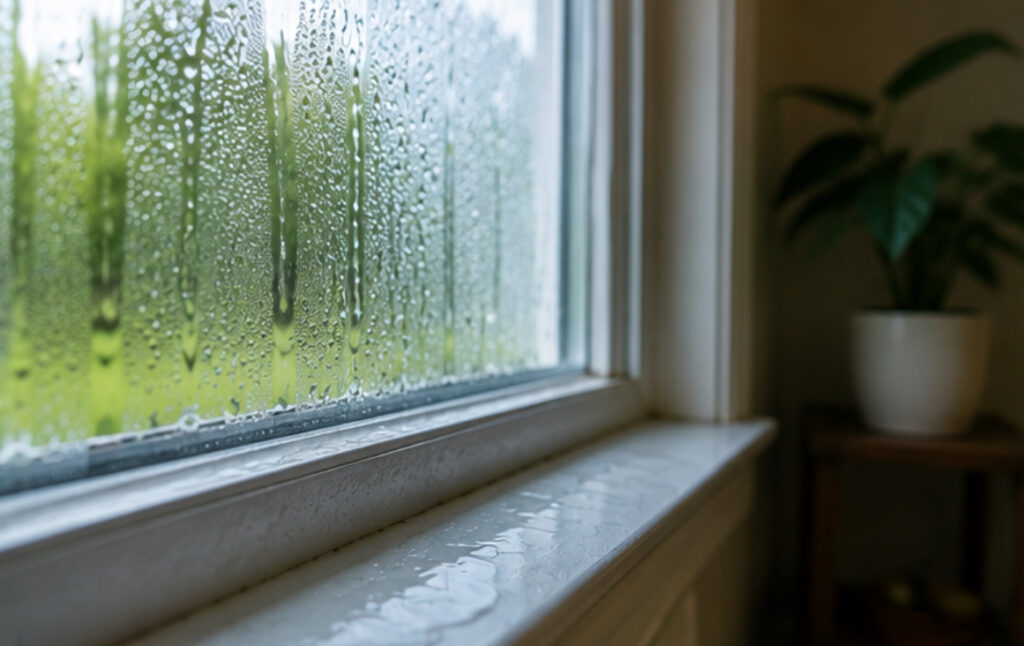
The cooling tip that effectively reduces indoor humidity is to run your air conditioner’s fan on the "auto" setting rather than "on." This allows moisture to drain away properly, keeping your Southlake home comfortable and dry.
Which vent tips ensure proper airflow throughout rooms?
Vent tips to ensure proper airflow include keeping all supply and return vents clear of furniture or curtains, regularly cleaning dust from registers, and ensuring your dampers are fully open to maintain consistent circulation throughout your home.
How do filter tips improve indoor air circulation?
Filter tips improve indoor air circulation by capturing dust and debris, preventing clogs that restrict airflow. Clean, high-quality filters allow your HVAC system to move air efficiently throughout your Southlake home, ensuring consistent comfort and improved air quality.
Are there heating tips to save on energy?
Heating tips to save on energy include programming your thermostat, sealing air leaks, and scheduling annual maintenance with Ideal In Air. These simple steps improve efficiency, reduce monthly utility bills, and keep your Southlake home comfortable all winter.
What cooling tip helps during extreme summer heat?
The most effective cooling tip during extreme summer heat is to keep your thermostat at a consistent, moderate temperature and use ceiling fans to circulate air, which helps your HVAC system maintain comfort without overworking itself.
Do vent tips prevent dust buildup in vents?
Vent tips do not effectively prevent dust buildup in vents. While they may offer minor aesthetic coverage, regular professional duct cleaning and high-quality air filter replacements remain the most effective ways to maintain clean, efficient airflow.
How do filter tips keep air systems clean?
Filter tips keep air systems clean by trapping dust, allergens, and debris before they circulate. Regularly replacing these filters prevents buildup on sensitive internal components, ensuring optimal airflow and maintaining your HVAC system’s efficiency and longevity.
What is the best daily HVAC maintenance tip?
The best daily HVAC maintenance tip is to ensure your vents and registers remain unobstructed by furniture or curtains, which promotes consistent airflow and prevents your system from overworking to maintain your home's comfort in Southlake.
Which heating tips prepare systems for cold weather?
Heating tips to prepare your system for cold weather include replacing air filters, scheduling a professional maintenance inspection, and clearing debris from outdoor units. These steps ensure your heater runs efficiently and safely throughout the Southlake winter.
Are there thermostat tips to automate temperature control?
Thermostat tips to automate temperature control include upgrading to a smart thermostat, setting programmable schedules for when you are away, and utilizing geofencing features to adjust your home’s climate automatically, ultimately improving energy efficiency in your Southlake home.

 Skip to content